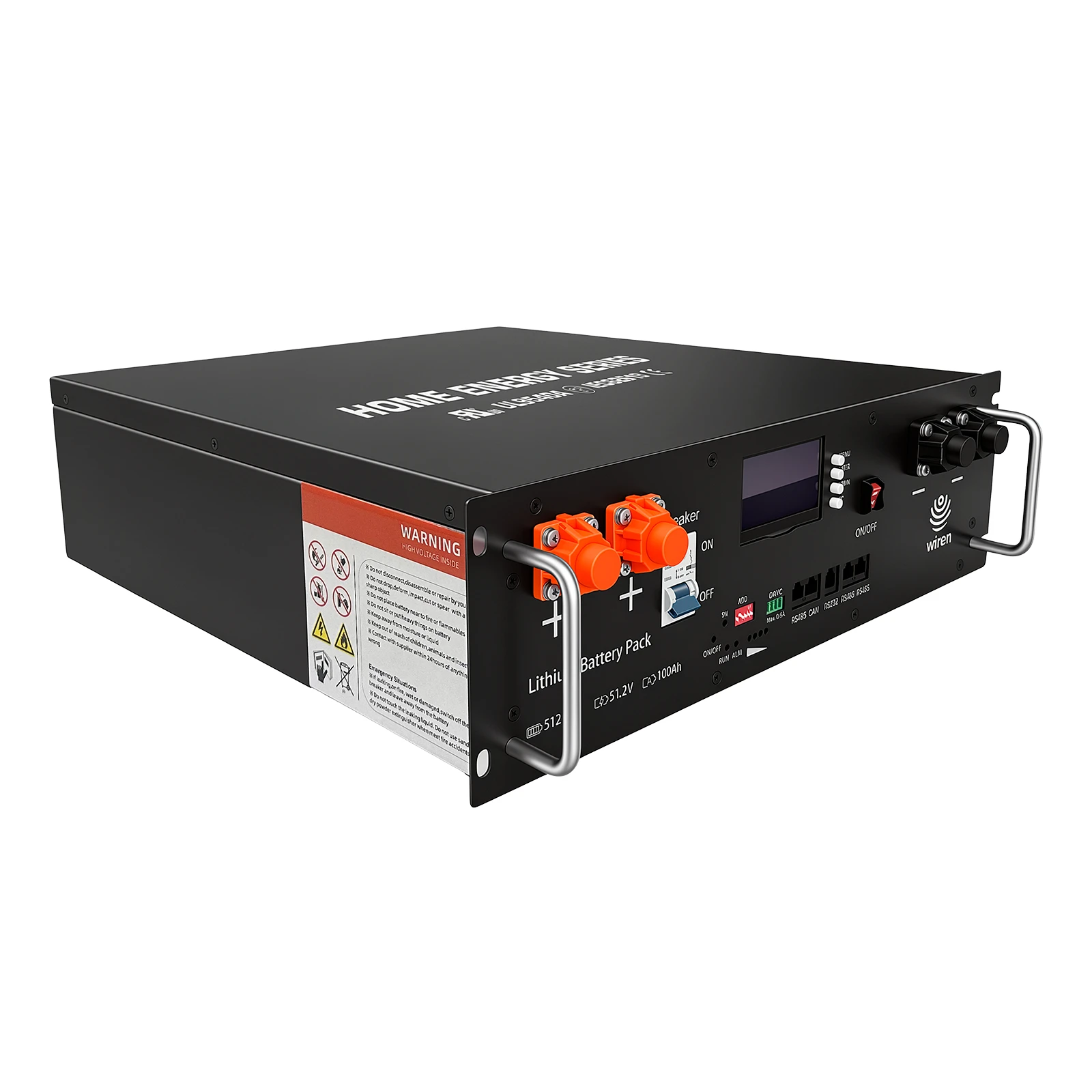


Sodium Battery Solutions vs Lithium Batteries for Stationary Energy Storage
Jul.03, 2026
In the pursuit of sustainable energy solutions, Sodium Battery Solutions are emerging as a competitive alternative to the more widely recognized lithium batteries. These batteries are vital for stationary energy storage systems, which are crucial for balancing energy supply and demand by storing excess energy for later use. Sodium battery technology offers high capacity and long-cycle life while minimizing environmental impact, making it an attractive option for businesses looking to optimize their energy management strategies.
The history of battery technology dates back to the 19th century, with advancements paving the way for modern innovations. Lithium-ion batteries rose to prominence in the early 1990s and have since dominated the market, particularly for electric vehicles and portable electronics. However, the increasing demand for energy storage, especially renewable sources like solar and wind, has highlighted the need for alternative solutions. Enter sodium batteries: leveraging abundant sodium resources, manufacturers can potentially reduce costs, enhance safety, and provide a lower environmental footprint compared to their lithium counterparts.
The real-world applications of sodium batteries in stationary energy storage are significant. For businesses, integrating these batteries can lead to substantial savings on energy costs, improved grid reliability, and reduced carbon emissions. Studies show that sodium batteries can achieve a cycle life exceeding 5,000 cycles with a high energy density of around 100-150 Wh/kg—often comparable to lithium-ion systems. With possibilities for utility-scale energy storage and large-scale solar farms, sodium batteries can play a critical role in enhancing energy independence and supporting the transition to greener energy practices.
Despite the promising nature of sodium battery solutions, common misconceptions abound. Many potential users erroneously believe that sodium technology is inferior to lithium due to its nascent stage and lack of extensive market presence. In truth, sodium batteries have been under research for decades, and recent advancements are proving them to be highly viable. While lithium batteries often face supply chain issues due to resource constraints, sodium, being far more abundant and cost-effective, provides a more reliable avenue for future energy storage needs.
Real-world examples provide further clarity on sodium versus lithium. One notable case is the collaboration between various research institutions and industries that resulted in the deployment of sodium batteries in commercial energy storage systems in Asia. With reliable performance metrics observed—such as more than 80% efficiency under heavy cycling conditions and adherence to standards such as ASTM D6207—these installations are validating sodium technology's promise. In contrast, growing concerns over lithium mining and environmental degradation have raised questions about the sustainability of lithium batteries in the long run.
In summary, the choice between Sodium Battery Solutions and lithium batteries for stationary energy storage carries profound implications. With their substantial advantages in sustainability, cost, and environmental impact, sodium batteries are proving to be a formidable contender. As the demand for efficient and eco-friendly energy storage solutions continues to rise, businesses should explore sodium battery technology further, assessing how it can integrate into their energy strategy for improved operational efficiency and environmental stewardship.
For those interested in optimizing energy solutions, visiting Wiren’s Sodium Battery Solutions can provide a deeper understanding of how sodium battery systems can enhance energy storage, reliability, and sustainability.