

Lithium-Ion Cell Structure: What Each Component Does
Jun.27, 2026
A lithium-ion cell combines electrochemical materials with structural and electrical components. Understanding their roles helps explain why battery quality cannot be reduced to a capacity number. The cell must also be integrated into a pack with suitable connections, protection and control for its application.
Structural Components and Current Paths
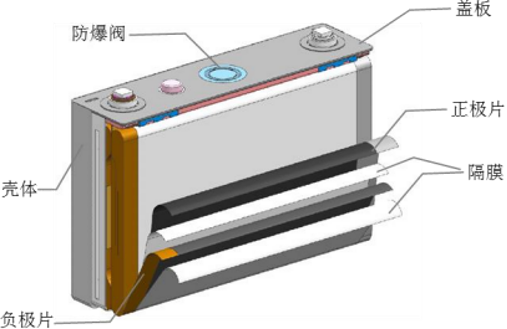
Structural components provide the physical enclosure and electrical interfaces. The casing, terminals and current collectors support protection and current flow, while pressure-relief arrangements depend on the cell design. Different cell formats are constructed differently, so a general component illustration should be read alongside documentation for the actual product.
Electrodes and Separator
The electrode assembly contains the positive electrode, negative electrode and separator. These parts participate in storing and releasing energy during cycling. The separator keeps the electrodes physically apart while allowing ionic transport. Their materials and construction influence how the cell responds to charging, discharging and operating conditions.
Electrolyte and Ion Transport
The electrolyte provides a path for lithium ions within the cell. This role differs from electron flow through the external circuit. Its formulation interacts with the electrodes and other materials, so performance cannot be attributed to one ingredient in isolation. Claims about fast charging or low-temperature behavior need evidence for the complete cell and its operating conditions.
From Cell Quality to Battery System Design
At pack level, cell selection is only one part of the design. Mechanical support, electrical connections and the BMS must be coordinated with the intended equipment. When comparing products, request identifiable specifications and relevant test information. This links component understanding to a more useful assessment of a finished battery system.
The cell-level principles inform application reviews for both Motive power battery systems and Residential energy storage, although the system requirements differ.
Discuss Your Battery System Requirements